Exploring the Future of Agriculture: Hydroponic Farming and the Rise of Biofood
Category : xfarming | Sub Category : xfarming Posted on 2023-10-30 21:24:53
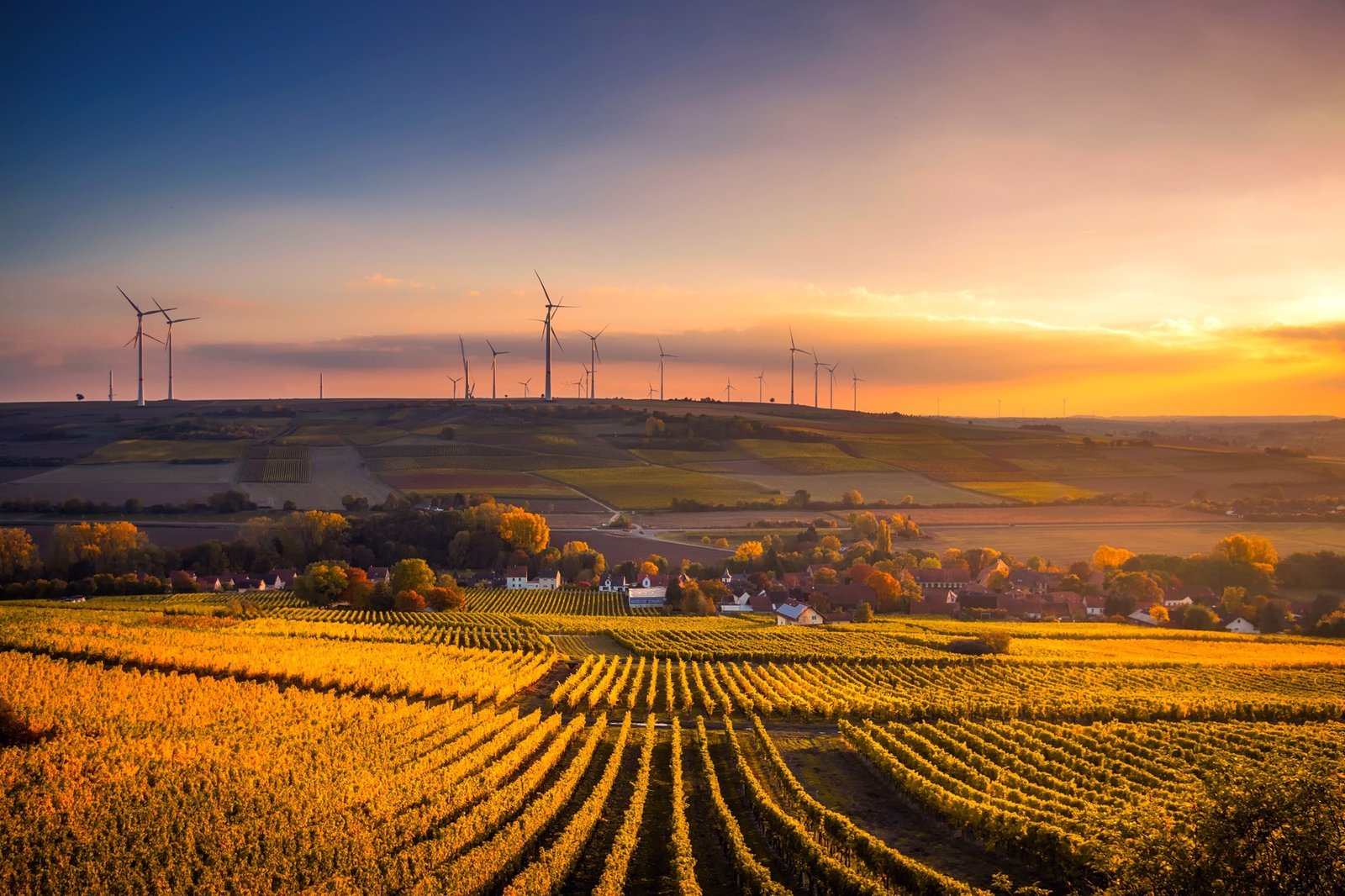
Introduction: In recent years, the global population has been steadily increasing, leading to increased demand for food production. Consequently, traditional farming methods are facing numerous challenges such as limited arable land, water scarcity, and unpredictable weather patterns. As the world embraces sustainability and innovation, hydroponic farming has emerged as a promising solution to these challenges. In this article, we will dive into the concept of hydroponic farming and its potential to revolutionize agriculture, specifically in the production of biofood. Understanding Hydroponic Farming: Hydroponic farming is a soil-less cultivation technique that allows plants to grow in a controlled environment using nutrient-rich water solutions. By eliminating the need for soil, hydroponics offers countless advantages. First and foremost, it allows crops to be grown in urban areas and other spaces where traditional farming is impractical or impossible. This vertical approach to farming maximizes land use and promotes efficient crop production. The Role of Hydroponics in Biofood Production: Biofood refers to food produced using organic and sustainable principles, promoting ecological balance and reducing our carbon footprint. Hydroponics perfectly aligns with these principles due to its inherent environmental benefits. When compared to conventional agriculture, hydroponics requires up to 90% less water, eliminates the need for chemical pesticides, and significantly reduces the risk of contamination in crops. These factors make hydroponic farming an ideal choice for biofood production. Benefits of Biofood Hydroponic Farming: 1. Efficient Resource Usage: Hydroponics uses water and nutrients more efficiently, resulting in higher crop yields compared to traditional agriculture. This enhanced resource management ensures sustainable food production. 2. Year-Round Harvest: Unlike traditional farming, hydroponics allows farmers to control growing conditions, such as temperature, humidity, and light, enabling year-round crop production. This not only ensures a consistent supply of fresh produce but also reduces dependence on importing food from distant locations. 3. Organic and Chemical-Free: Hydroponic farming offers a controlled environment, making it easier to grow crops without the use of chemical pesticides and herbicides. This allows for the production of healthier, toxin-free biofood while promoting ecological balance. 4. Space-saving Solutions: Vertical hydroponics systems allow farmers to grow crops in stacked layers, maximizing land use. This makes hydroponics particularly valuable in urban areas, where space is limited. 5. Reduced Environmental Impact: Hydroponics helps reduce greenhouse gas emissions associated with traditional agriculture. By implementing sustainable practices and reducing the need for long-distance transportation, hydroponics contributes to a greener and more sustainable food system. Conclusion: Hydroponic farming and biofood production are poised to transform the agricultural landscape, offering sustainable and efficient solutions for feeding our growing global population. With its ability to grow crops in controlled environments, hydroponics has the potential to revolutionize food production, reduce the environmental impact of agriculture, and provide consumers with fresh, organic, and toxin-free biofood. By embracing this innovative technology and focusing on sustainable practices, we can create a future where agriculture meets the demands of a growing population while protecting our planet. Seeking more information? The following has you covered. http://www.deleci.com For an in-depth analysis, I recommend reading http://www.eatnaturals.com Find expert opinions in http://www.biofitnesslab.com Seeking answers? You might find them in http://www.mimidate.com
Leave a Comment:
SEARCH
Recent News
- Zurich, Switzerland, is renowned for its picturesque landscapes, vibrant culture, and thriving economy. However, thousands of kilometers away in Russia, agriculture plays a crucial role in the country's economy and food production.
- YouTube Content Creation and Translation: Exploring Russian Agriculture
- Russian agriculture has a long and rich history, being one of the leading agricultural producers in the world. From traditional farming practices to modern technology advancements, Russian agriculture has seen significant growth and development over the years. If you are interested in learning more about this fascinating industry, there is a YouTube channel that is dedicated to showcasing the intricacies of Russian agriculture.
- The development of work skills in the Russian agriculture sector is crucial for ensuring a sustainable and efficient industry. With a vast expanse of arable land and a rich history of agricultural traditions, Russia has the potential to become a global powerhouse in food production. However, this potential can only be realized through the continuous improvement and development of the skills of the workforce involved in the sector.
- Empowering Women in Politics to Drive Progress in Russian Agriculture
- **Exploring the Role of Women in Russian Agriculture**
- Russia is a country known for its vast agricultural lands and rich farming traditions. From the fertile soils of the Black Earth region to the unique climate of the Siberian steppes, Russian agriculture plays a crucial role in feeding the nation and contributing to the global food supply.
- Russian Agriculture: A Growing Industry with Technological Advances
READ MORE
10 months ago Category : xfarming

Zurich, Switzerland, is renowned for its picturesque landscapes, vibrant culture, and thriving economy. However, thousands of kilometers away in Russia, agriculture plays a crucial role in the country's economy and food production.
Read More →10 months ago Category : xfarming

YouTube Content Creation and Translation: Exploring Russian Agriculture
Read More →10 months ago Category : xfarming

Russian agriculture has a long and rich history, being one of the leading agricultural producers in the world. From traditional farming practices to modern technology advancements, Russian agriculture has seen significant growth and development over the years. If you are interested in learning more about this fascinating industry, there is a YouTube channel that is dedicated to showcasing the intricacies of Russian agriculture.
Read More →10 months ago Category : xfarming
