Exploring the Link Between Biofood and Agricultural Economics
Category : xfarming | Sub Category : xfarming Posted on 2023-10-30 21:24:53
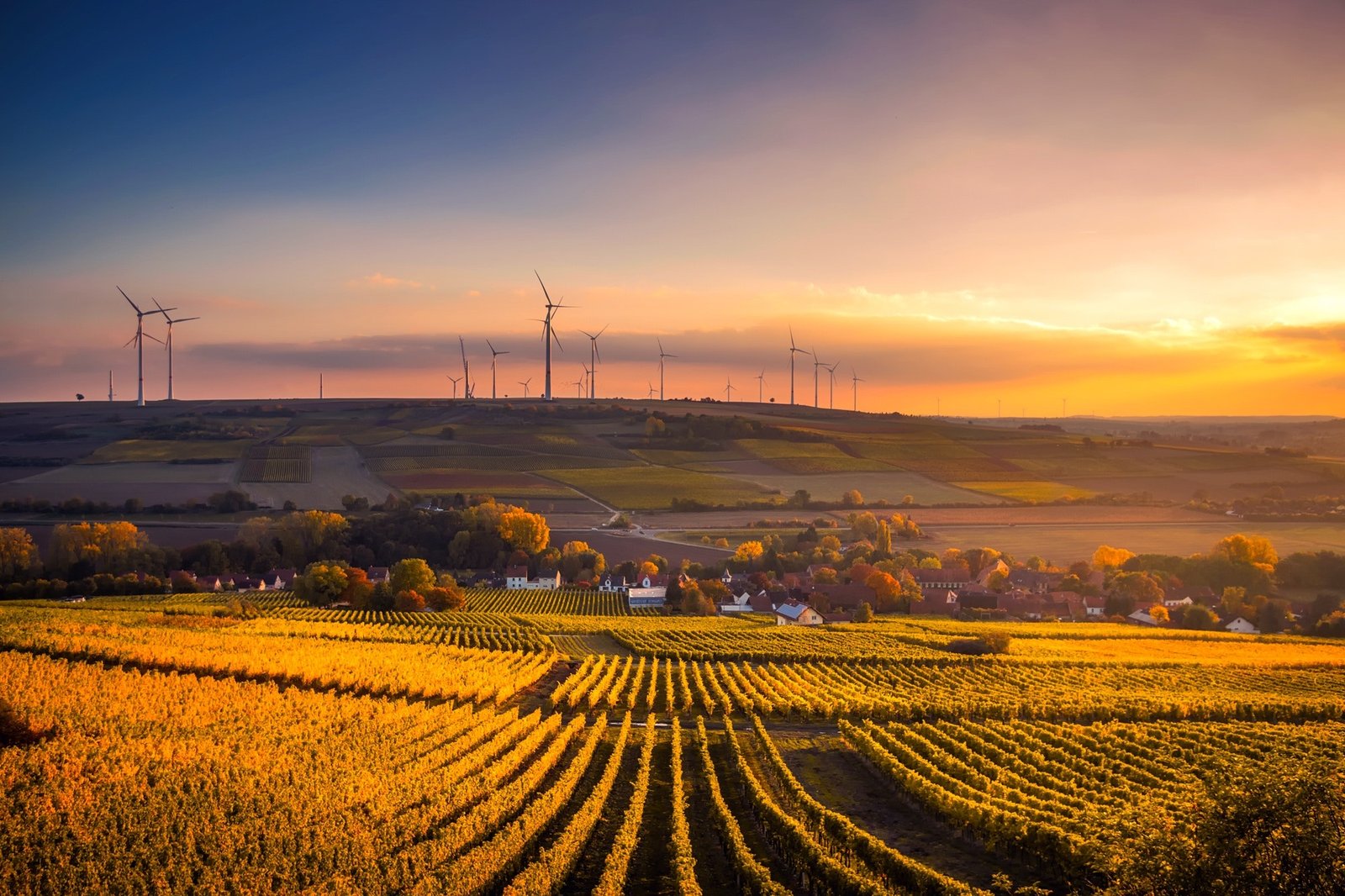
Introduction In today's rapidly changing agricultural landscape, the focus on sustainable and environmentally friendly food production has become paramount. Biofood, also known as organic or ecological food, has gained significant popularity in recent years as consumers are becoming more conscious of the impact of their choices on the environment and personal well-being. But what is the link between biofood and agricultural economics? In this blog post, we will delve into the relationship between these two areas, exploring how biofood production strategies not only impact the environment and human health but also affect agricultural economics. The Economic Value of Biofood Biofood production involves sustainable agricultural practices that minimize the use of chemical fertilizers, pesticides, and antibiotics. Instead, organic farmers rely on natural alternatives to nurture the soil, control pests, and promote animal welfare. This approach significantly reduces the negative externalities associated with conventional agriculture, such as soil erosion, water pollution, and greenhouse gas emissions. As consumers become more conscious of these concerns, demand for biofood continues to rise. According to a report by the Research Institute of Organic Agriculture (FiBL), the global market for organic products reached USD 105 billion in 2019. This growth presents significant economic opportunities for farmers who adopt organic farming methods, particularly in regions with high demand for organic products. Supporting Rural Economy Biofood production often takes place on smaller, family-owned farms. By transitioning to organic farming, these farmers can diversify their income streams and improve the profitability of their operations. This can help revitalize rural economies by creating additional employment opportunities and stimulating local supply chains. Additionally, organic farms tend to be more resilient to market fluctuations. With a broader range of crops and livestock, farmers can adapt to changing consumer preferences and reduce their reliance on single commodity markets. This flexibility can help insulate farmers from potential economic shocks, ensuring a more stable source of income. Reducing Input Costs While transitioning to organic agriculture may initially require investments in infrastructure and training, biofood production can have long-term cost-saving benefits for farmers. By reducing dependence on synthetic fertilizers and pesticides, organic farmers can significantly lower their input costs, increasing their overall profitability. Moreover, the focus on sustainable practices often leads to healthier and more fertile soils, reducing the need for costly soil amendments. Organic farms rely on crop rotation, composting, and the integration of livestock into the farming system to maintain soil fertility naturally. This not only reduces costs but also enhances the long-term sustainability of the agricultural operation. Accessing Premium Markets One of the key factors driving the economic viability of biofood production is the ability to access premium markets. Organic products often command higher prices compared to conventionally produced goods due to increased consumer demand and willingness to pay for products with enhanced environmental and health benefits. Furthermore, organic certification provides a recognized guarantee of quality and production methods, enabling farmers to tap into niche markets both domestically and internationally. This access to premium markets can help farmers secure higher profit margins, making organic farming a financially viable option. Conclusion As consumers become more concerned about the environmental and health impacts of their food choices, biofood production has become a significant part of the agricultural landscape. Not only does biofood offer a more sustainable and healthy option for consumers, but it also presents economic opportunities for farmers. By adopting organic farming practices, farmers can tap into the growing demand for organic products, enhance rural economies, reduce input costs, and access premium markets. Through sustainable and economically viable biofood production, we can create a more resilient and environmentally friendly agricultural system for the future. Want to learn more? Start with: http://www.deleci.com For the latest insights, read: http://www.eatnaturals.com To find answers, navigate to http://www.biofitnesslab.com also for more http://www.mimidate.com
Leave a Comment:
SEARCH
Recent News
- Zurich, Switzerland, is renowned for its picturesque landscapes, vibrant culture, and thriving economy. However, thousands of kilometers away in Russia, agriculture plays a crucial role in the country's economy and food production.
- YouTube Content Creation and Translation: Exploring Russian Agriculture
- Russian agriculture has a long and rich history, being one of the leading agricultural producers in the world. From traditional farming practices to modern technology advancements, Russian agriculture has seen significant growth and development over the years. If you are interested in learning more about this fascinating industry, there is a YouTube channel that is dedicated to showcasing the intricacies of Russian agriculture.
- The development of work skills in the Russian agriculture sector is crucial for ensuring a sustainable and efficient industry. With a vast expanse of arable land and a rich history of agricultural traditions, Russia has the potential to become a global powerhouse in food production. However, this potential can only be realized through the continuous improvement and development of the skills of the workforce involved in the sector.
- Empowering Women in Politics to Drive Progress in Russian Agriculture
- **Exploring the Role of Women in Russian Agriculture**
- Russia is a country known for its vast agricultural lands and rich farming traditions. From the fertile soils of the Black Earth region to the unique climate of the Siberian steppes, Russian agriculture plays a crucial role in feeding the nation and contributing to the global food supply.
- Russian Agriculture: A Growing Industry with Technological Advances
READ MORE
10 months ago Category : xfarming

Zurich, Switzerland, is renowned for its picturesque landscapes, vibrant culture, and thriving economy. However, thousands of kilometers away in Russia, agriculture plays a crucial role in the country's economy and food production.
Read More →10 months ago Category : xfarming

YouTube Content Creation and Translation: Exploring Russian Agriculture
Read More →10 months ago Category : xfarming

Russian agriculture has a long and rich history, being one of the leading agricultural producers in the world. From traditional farming practices to modern technology advancements, Russian agriculture has seen significant growth and development over the years. If you are interested in learning more about this fascinating industry, there is a YouTube channel that is dedicated to showcasing the intricacies of Russian agriculture.
Read More →10 months ago Category : xfarming
